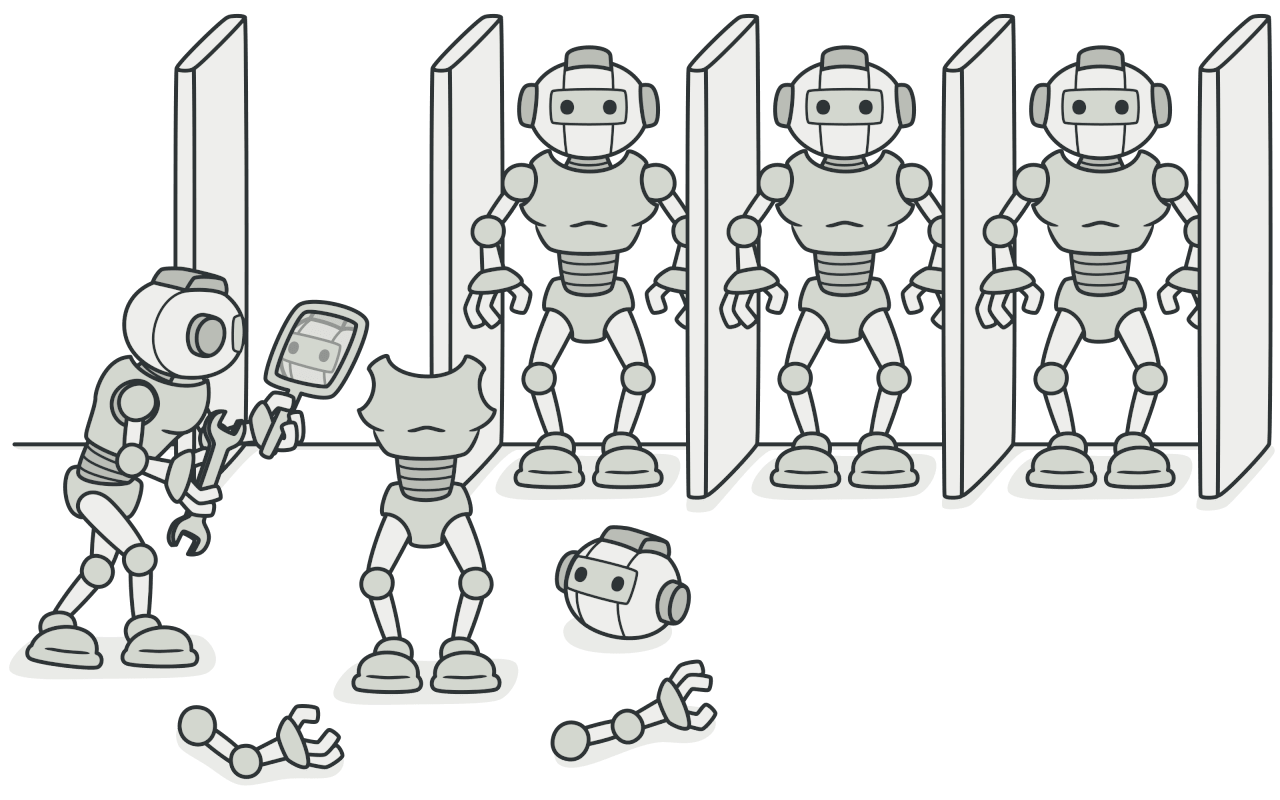
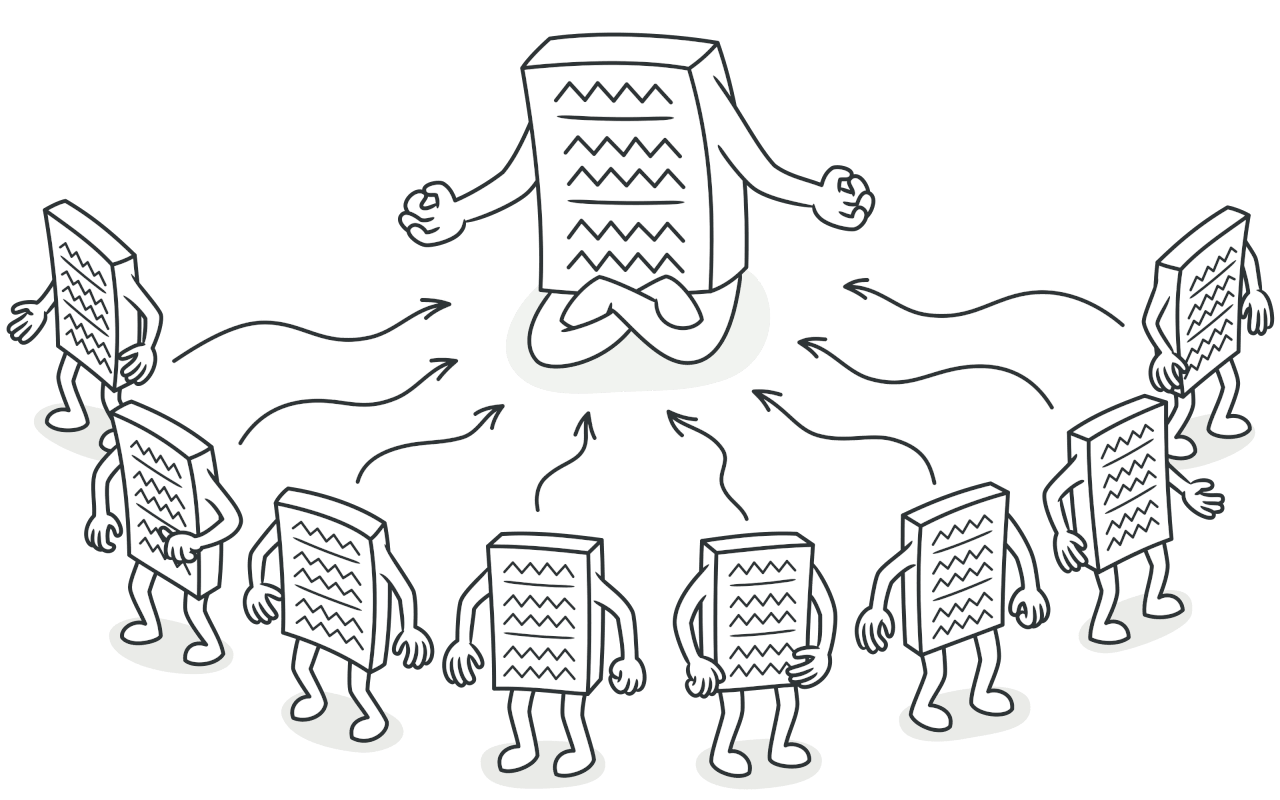
Prototype mode (Prototype), use the prototype instance to specify the type of object to be created, and create new objects by copying this prototype; without making the code dependent on the class to which they belong.
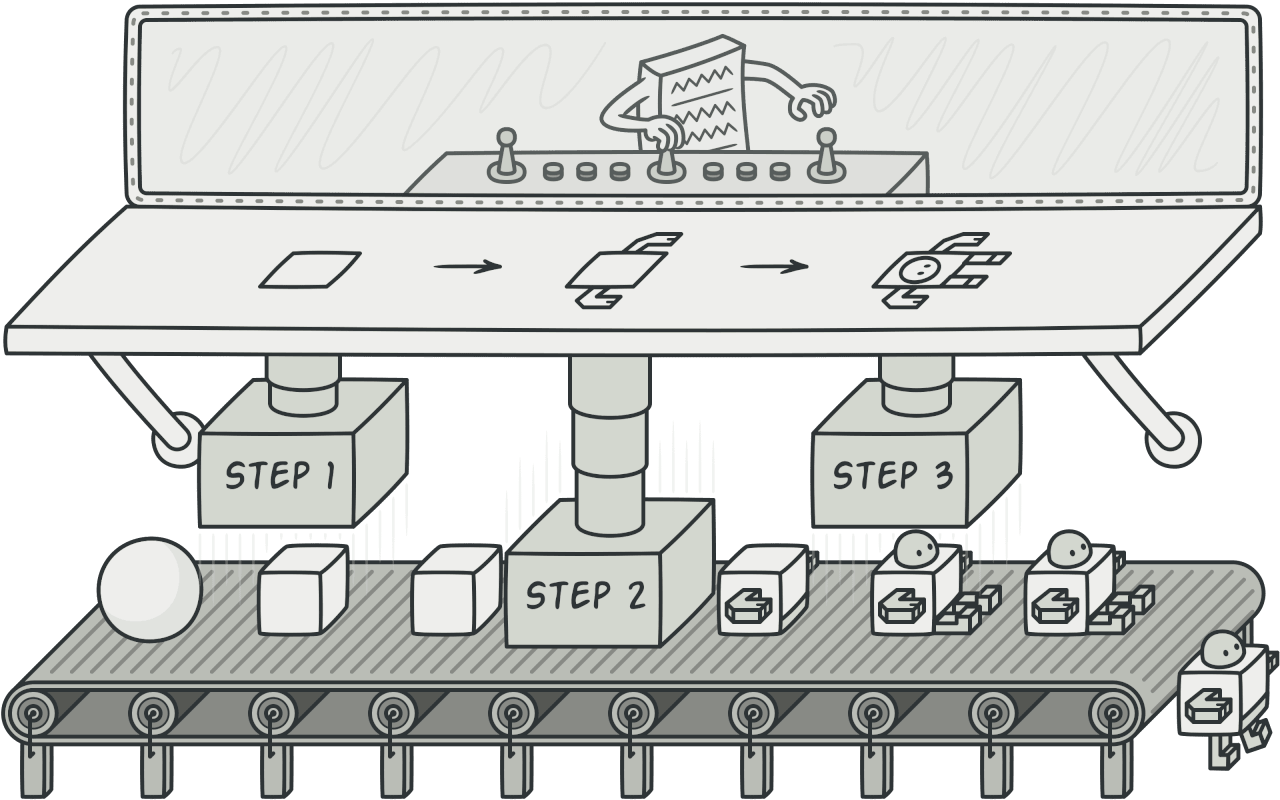
The Builder pattern is a creational design pattern that allows you to create complex objects in steps. During this process, the user does not need to know the specific internal construction details. The Builder pattern is particularly suitable for situations where the construction process of the object to be built is complex and contains multiple optional parts.
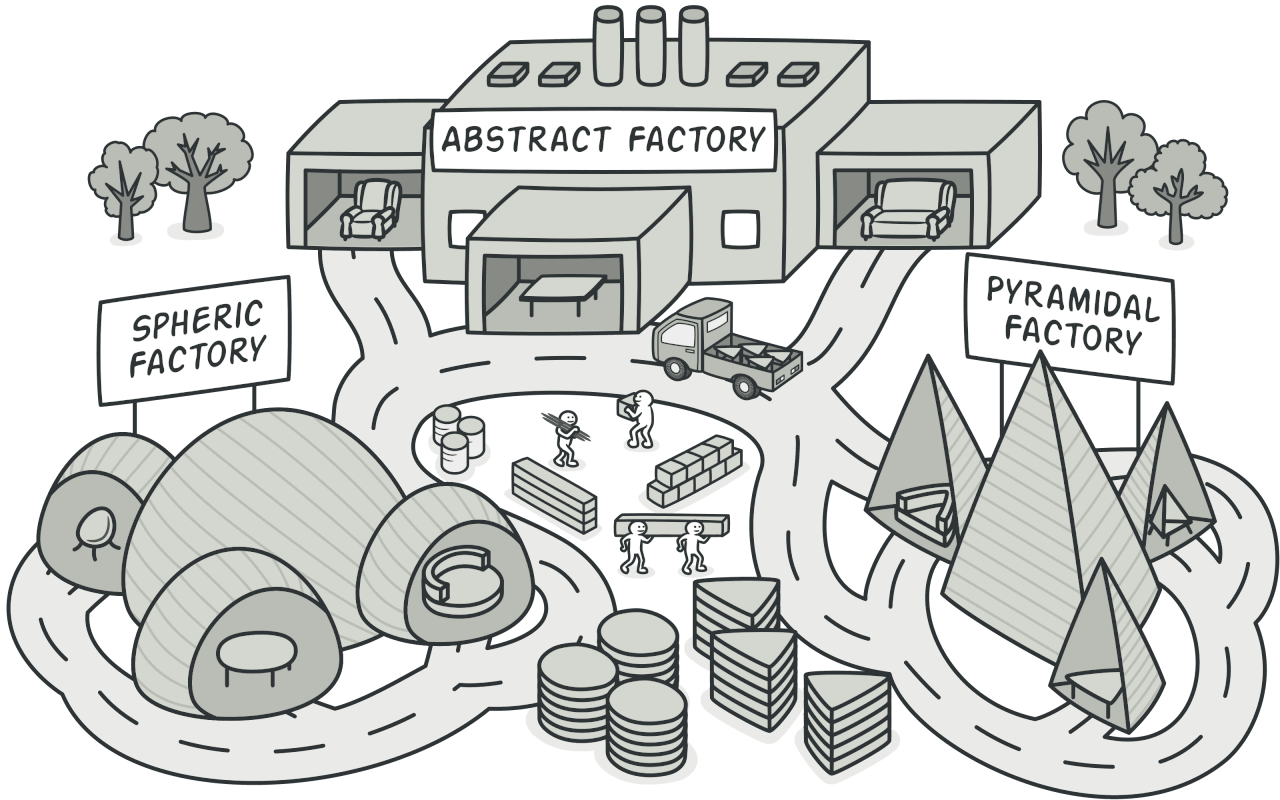
The Abstract Factory pattern creates a family of objects, that is, many objects instead of one object, and these objects are related, that is, they must be created together. The Factory Method pattern is only used to create an object, which is very different from the Abstract Factory pattern.
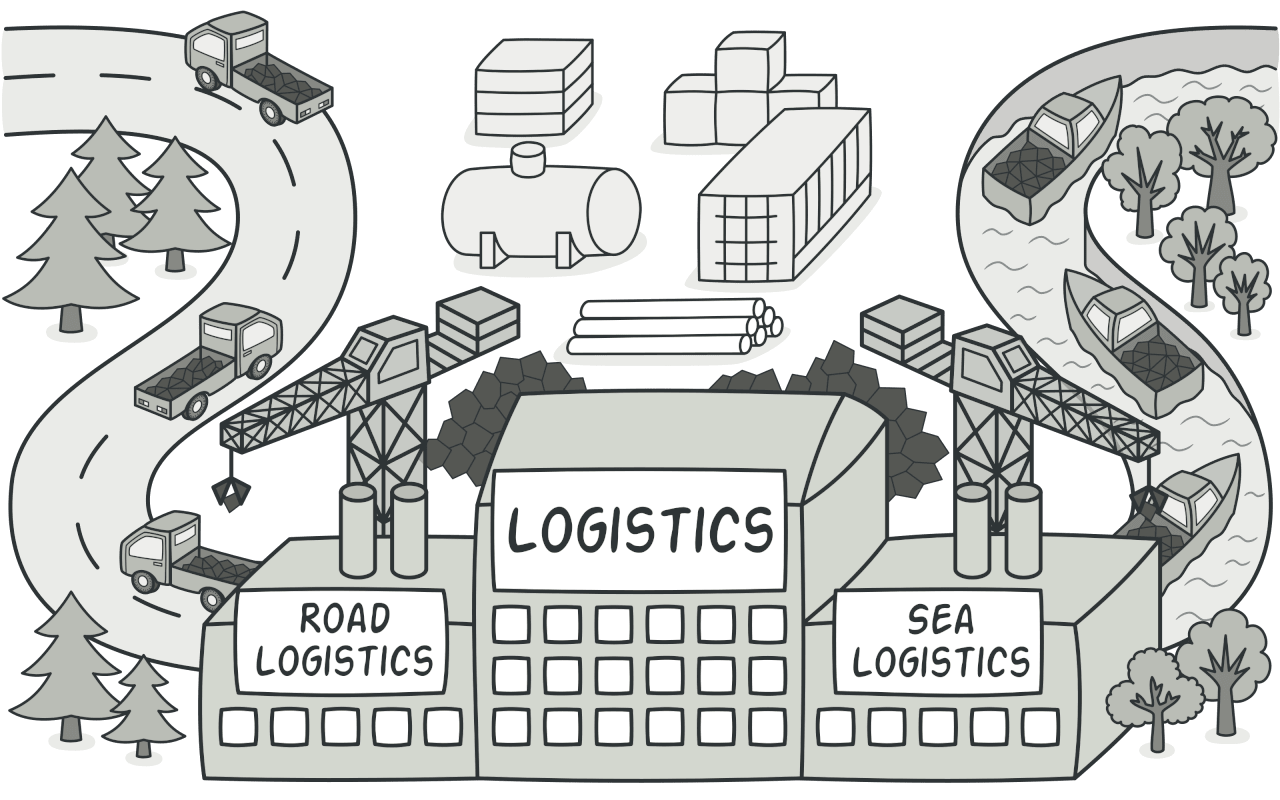
Factory Method, which defines an interface for creating objects, but leaves it up to the subclass to decide which class to instantiate. The factory method defers instantiation to the subclass; thus, it can extend object creation without affecting other code.
The singleton pattern is a creational design pattern that allows you to ensure that a class has only one instance and provide a global node to access the instance.
Design Pattern is a set of code design experiences that are repeatedly used, known to most people, and practiced by countless engineers. It is a highly refined and templated version of object-oriented thinking. The purpose of using design patterns is to make the code more reusable, more flexible and scalable, and easier to read and understand. No matter what language is used for development, it will provide guidance for our system design and development.
 Hong Zhong's Blog