Memento is a behavioral design pattern that allows capturing and restoring the internal state of an object without exposing its implementation details.
Iterator is a behavioral design pattern that provides a way to sequentially access the elements of an aggregate object without exposing the internal representation of the object. The pattern defines an iterator interface, which is responsible for defining methods for accessing and traversing elements, and an iterable interface, which is responsible for returning an instance of the iterator.
The Interpreter Pattern is a behavioral design pattern that defines the grammar of a language and builds an interpreter to interpret sentences in the language. The Interpreter Pattern is often used to implement programming language interpreters, regular expression interpreters, etc.
The Command pattern is a behavioral design pattern that transforms a request into a separate object that contains all the information related to the request. This transformation allows you to parameterize methods according to different requests, delay request execution or put it in a queue, and implement revocable operations.
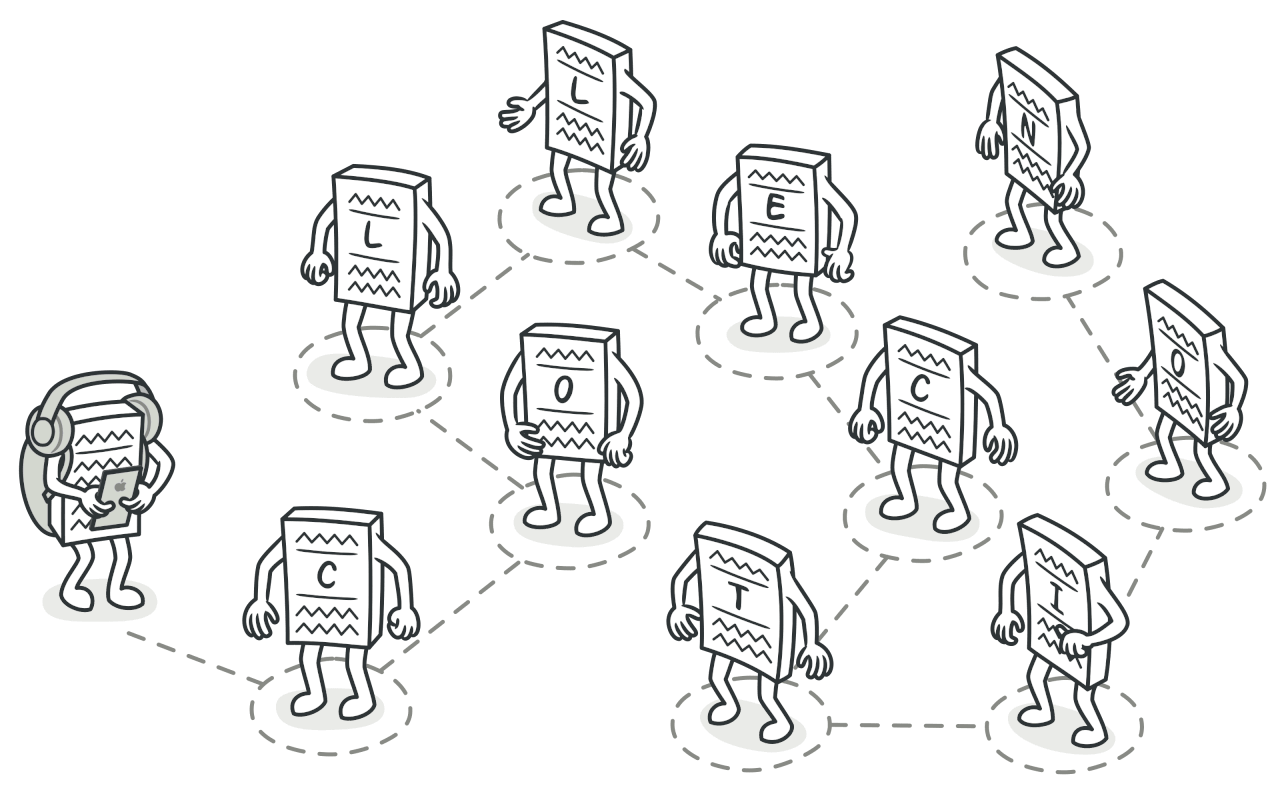
The Chain of Responsibility pattern is a behavioral design pattern that allows you to send a request along a chain of handlers. After receiving a request, each handler can process the request or pass it to the next handler in the chain.
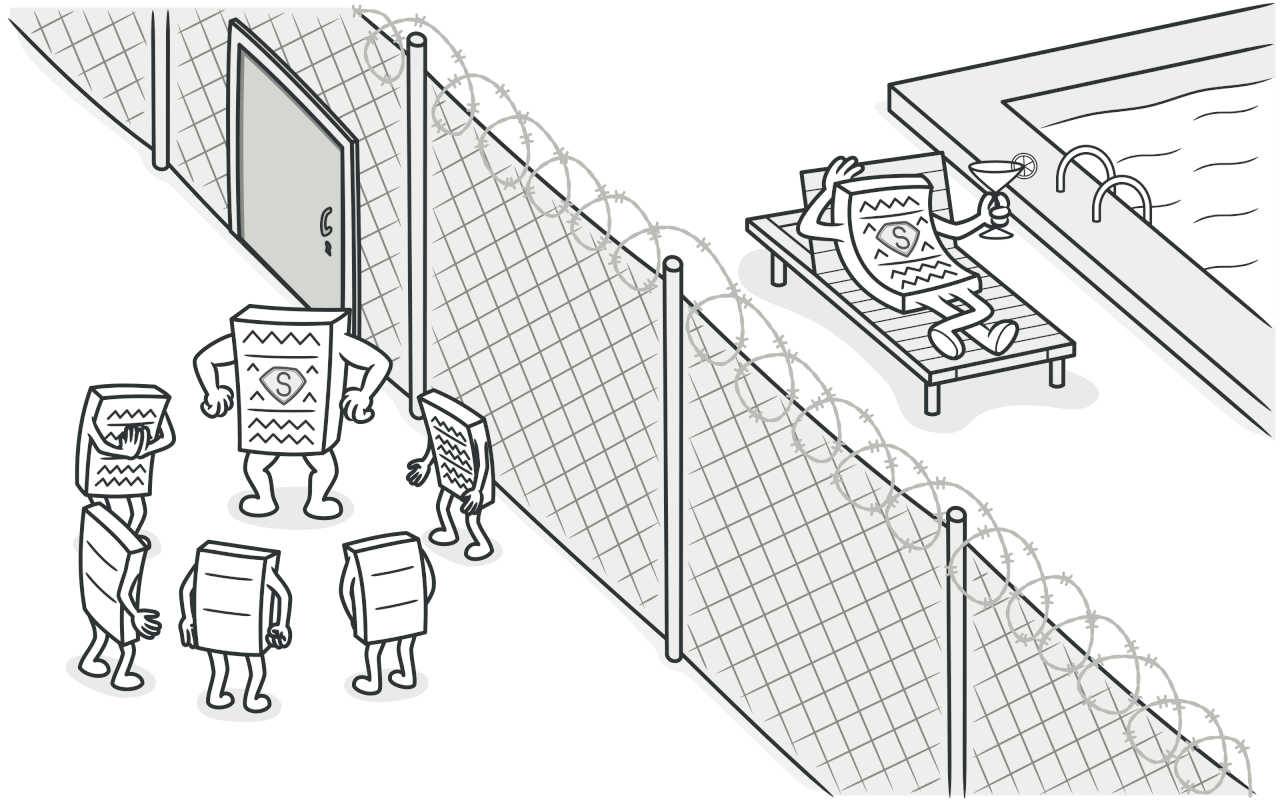
The Proxy pattern is a structural design pattern that allows you to provide a substitute or placeholder for an object. The proxy controls access to the original object and allows some processing before and after submitting the request to the object.
 Hong Zhong's Blog